
Certified Mold Assessment & Testing
Protecting San Antonio families and businesses from hidden mold risks with accredited laboratory analysis, detailed reports, and certified remediation protocols.
What Is a Mold Assessment?
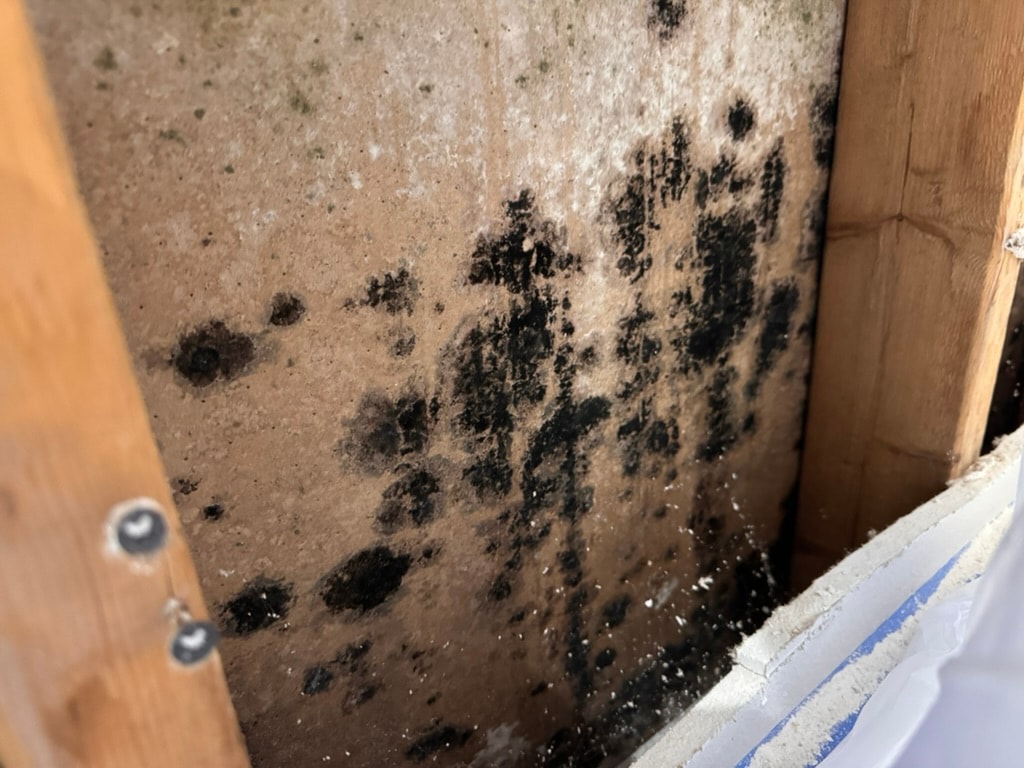
A mold assessment is a professional evaluation of your property for the presence, source, and extent of mold growth. Our certified mold assessment consultants collect air and surface samples that are sent to an accredited laboratory for analysis. You receive a detailed written report with findings, health risk context, and clear recommendations — including a remediation protocol when needed.
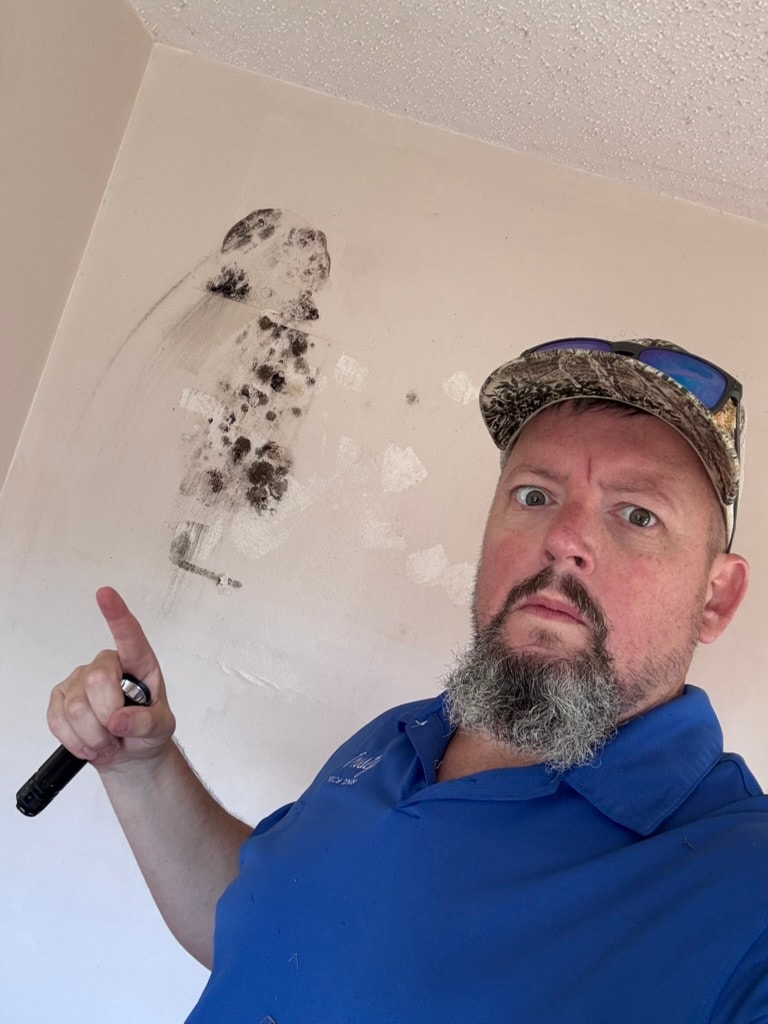
Mold can grow behind walls, under flooring, and inside HVAC systems — completely invisible to the naked eye. If you smell musty odors or have had water intrusion, don't wait.
Why Mold Testing Matters
Our Mold Assessment Process
Visual Inspection
Our certified consultants/technicians performs a thorough visual inspection of the property, identifying areas of concern including water stains, discoloration, musty odors, and visible mold growth.
Air & Surface Sampling
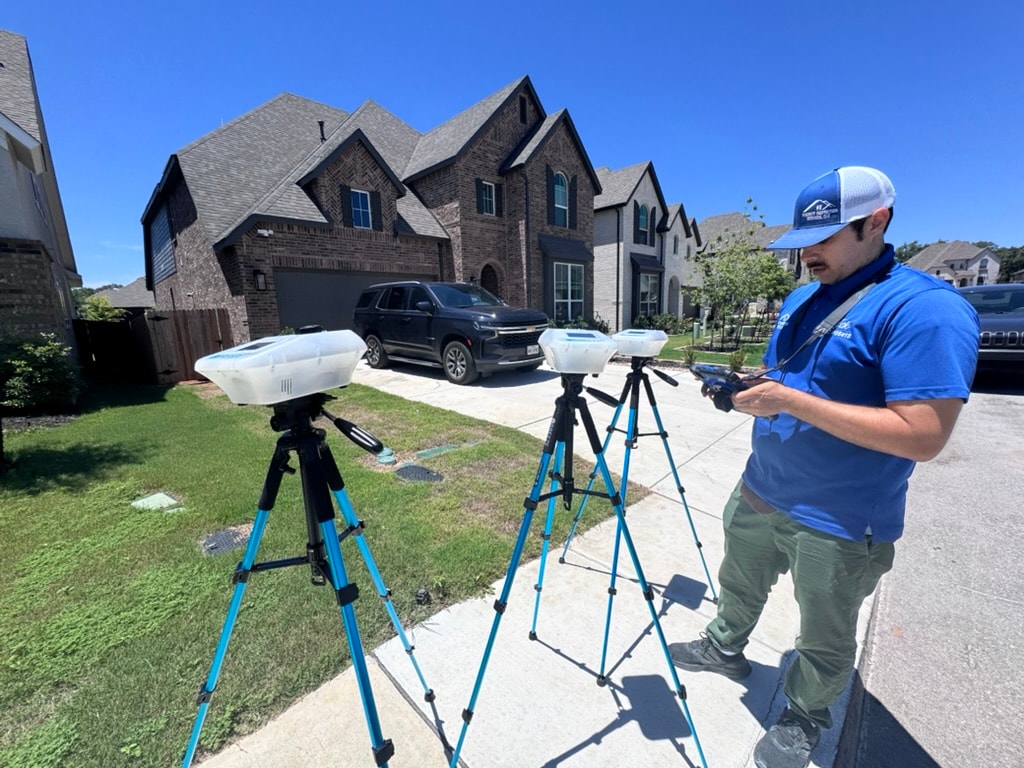
We collect air samples and surface swab or tape-lift samples from areas of concern. Samples are carefully labeled and shipped to an accredited third-party laboratory for analysis.
Lab Analysis
Samples are analyzed by an accredited laboratory. Results identify mold species present, spore counts, and whether levels exceed normal outdoor baseline concentrations.
Detailed Report & Protocol
You receive a comprehensive written report with lab results, findings, health risk context, and — when remediation is needed — a written remediation protocol outlining the scope of work required.
Types of Samples We Collect
Air Samples
Captures airborne mold spores using a calibrated pump and spore trap cassette. Compared against outdoor baseline samples to determine if indoor levels are elevated.
Surface Swab Samples
Used when visible mold growth is present. Identifies the specific species of mold on a surface to guide remediation decisions.
Tape Lift Samples
A non-destructive method for sampling suspected mold on surfaces like drywall, wood, or HVAC components.
Bulk Samples
A small piece of material (drywall, insulation, etc.) is collected and sent to the lab when a deeper analysis of the material itself is needed.
Common Signs You May Need a Mold Assessment
Frequently Asked Questions
Still have questions? [email protected]
Concerned About Mold in Your Home or Business?
Don't wait for a small moisture problem to become a major health risk. Our certified mold assessment consultants serve San Antonio, the Texas Hill Country, and surrounding areas.